
How Can Society Reduce the Rate of Early Marriage?
Gusti Ayu Tita P
27 November 2026
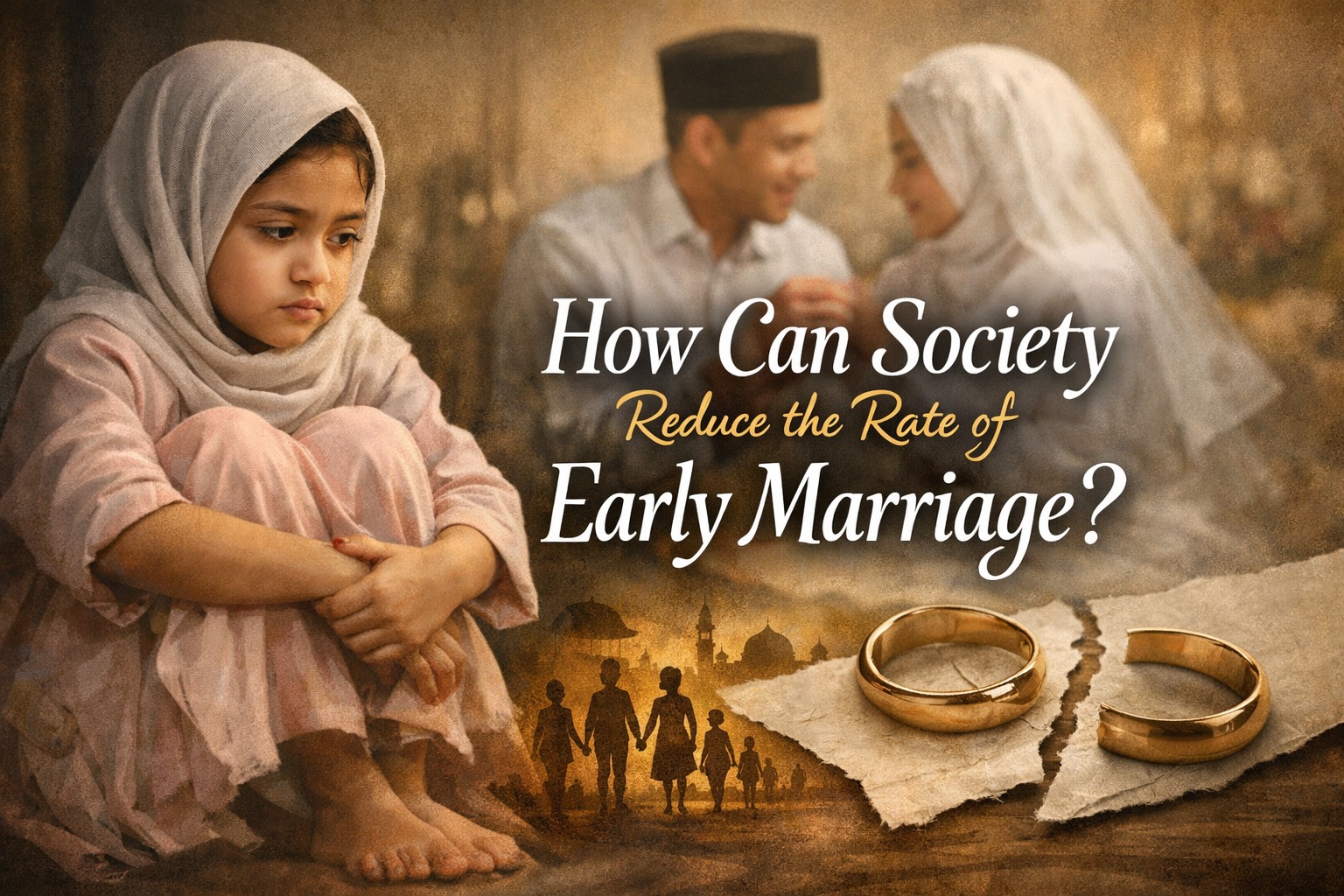
Early marriage remains a major social issue in many parts of the world. Although the number of child marriages has declined in recent years, millions of teenagers are still forced or encouraged to marry before they are emotionally, physically, and financially ready. This situation can affect education, health, employment opportunities, and overall quality of life. Reducing the rate of early marriage requires cooperation from families, schools, communities, governments, and young people themselves.
UNDERSTANDING THE MAIN CAUSES OF EARLY MARRIAGE
Early marriage often happens because of several connected factors rather than a single cause. Poverty is one of the biggest reasons, as some families believe marriage can reduce financial burdens. Cultural traditions and social pressure also encourage teenagers to marry at a young age. In some communities, parents fear that delaying marriage may bring shame or social criticism.
Another important factor is the lack of education and awareness. Teenagers who leave school early have fewer opportunities to build their future and are more likely to marry young. Limited access to reproductive health education also makes young people less informed about the consequences of early marriage. Understanding these causes is the first step toward creating effective solutions.
IMPROVING EDUCATION FOR CHILDREN AND TEENAGERS
Education is one of the most effective ways to reduce early marriage. When children stay in school, they gain knowledge, confidence, and skills that help them achieve their goals. Schools also provide opportunities to learn about health, personal development, and future careers. These experiences encourage teenagers to delay marriage until they are fully prepared.
Governments and communities should ensure that education is affordable and accessible for everyone. Scholarships, free school programs, and support for disadvantaged families can prevent students from dropping out. Teachers and schools also play an important role in identifying students who may be at risk of early marriage and providing appropriate guidance.
STRENGTHENING THE ROLE OF FAMILIES
Parents have a significant influence on their children's decisions. Open communication allows teenagers to discuss their dreams, challenges, and concerns without fear. Families that provide emotional support are more likely to help young people make responsible life choices.
Parents should encourage their children to continue their education and develop useful skills before considering marriage. They should also understand the long-term risks associated with early marriage, including health complications and limited career opportunities. A supportive family environment helps teenagers focus on building a better future.
COMMUNITY PARTICIPATION AND SOCIAL AWARENESS
Communities have the power to change social norms that encourage early marriage. Religious leaders, local organizations, and community representatives can educate families about the benefits of delaying marriage until adulthood. Public campaigns can also spread accurate information and reduce harmful misconceptions.
Youth organizations and community programs provide teenagers with positive activities such as leadership training, sports, and volunteer work. These activities increase self-confidence and create opportunities for personal growth. When communities work together, they create an environment that protects children and supports healthy development.
GOVERNMENT POLICIES AND LEGAL PROTECTION
Strong laws are essential for preventing early marriage. Governments should establish and enforce a minimum legal marriage age that protects children from being married too early. Birth registration systems and marriage registration procedures also help prevent illegal child marriages.
In addition to legal protection, governments should invest in healthcare, education, and social assistance programs. Financial support for low-income families can reduce economic pressure that often leads to early marriage. Cooperation between government agencies and non-governmental organizations strengthens these efforts and ensures better protection for children.
EMPOWERING YOUNG PEOPLE TO MAKE INFORMED DECISIONS
Teenagers should be encouraged to develop confidence and independent decision-making skills. Life skills education helps young people understand relationships, financial planning, communication, and personal responsibility. With proper knowledge, they are more prepared to make decisions that benefit their future.
Access to accurate information about reproductive health and personal rights is equally important. Mentoring programs and career counseling can inspire teenagers to pursue higher education or vocational training instead of marrying early. Empowered young people are better equipped to achieve their personal goals and contribute positively to society.
CONCLUSION
Reducing the rate of early marriage requires a collective effort from every part of society. Better education, supportive families, active communities, effective government policies, and empowered young people all contribute to preventing child marriage. Addressing the root causes, such as poverty, lack of education, and social pressure, creates lasting change. By working together, society can ensure that every child has the opportunity to grow, learn, and build a brighter future before entering marriage.
Tentang Penulis
Gusti Ayu Tita P
Penulis — Universitas STEKOM
Penulis aktif yang berfokus pada isu-isu akademik, teknologi pendidikan, dan pengembangan sumber daya manusia di lingkungan kampus.